Source Humane Live Catching Rat Trap for Homes, Farms, Warehouses
Compare 30 humane live catching rat trap options from verified Chinese manufacturers. Buyers can evaluate specifications, packaging, and pricing for residential, agricultural, and industrial pest control needs. These solid traps target mice, rats, and rodents with long-term effectiveness. Many units feature eco-friendly designs and pet safety for both indoor and outdoor use.
Key considerations
Products List




Comprehensive Sourcing Guide
Humane Live Catching Rat Trap Sourcing Guide
Procuring humane live catching rat traps requires a strategic balance between animal welfare standards and operational efficiency for pest control professionals. Buyers must prioritize mechanisms that ensure the safe capture of rodents without causing injury, which directly impacts the ethical compliance of their pest management services. The market offers various designs, from simple box traps to more complex multi-catch units, each serving different scales of infestation. Understanding the mechanical nuances of these devices is essential for selecting the right tool for specific environments, whether residential, commercial, or industrial settings.
This guide focuses on the critical aspects of sourcing these devices, emphasizing verification of physical specifications and material quality. Since live traps are often reused, durability and ease of cleaning are paramount factors that influence long-term procurement decisions. Buyers should look for suppliers who provide clear documentation on trap dimensions, capacity, and the specific types of rodents the device is designed to catch. By aligning product capabilities with actual pest control needs, organizations can minimize operational downtime and ensure consistent, humane results in their pest management protocols.
Product Scope and Observed Listing Signals
The current market for live catching rat traps includes a diverse range of models, such as the NRTP008 and NRTM010-3, which cater to different capture capacities and usage scenarios. Listings often highlight features like eco-friendly materials and disposable components, indicating a segment of the market focused on single-use or low-maintenance solutions. However, for humane live catching, the focus shifts toward reusable, durable designs that allow for the safe release of captured animals. Buyers should observe product attributes closely, noting distinctions between solid physical forms and those designed for repeated use, as this affects the total cost of ownership and environmental impact.
Observed listing signals also reveal variations in packaging and origin, with many products originating from Zhejiang, China, and Wenzhou. Standard packaging configurations, such as 2PC/Box or 40boxes/CTN, suggest that these products are optimized for bulk distribution and wholesale procurement. The presence of specific model numbers like PH09-214 and R612 indicates a standardized industry approach to product identification, which aids in tracking inventory and verifying supplier consistency. Buyers must carefully review these signals to ensure that the products they source align with their specific requirements for trap type, effectiveness duration, and target pest species, such as mice, rats, or other rodents.
Technical Specifications to Verify
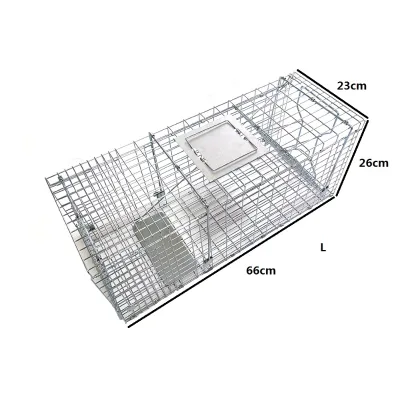
Verifying technical specifications is crucial to ensure that the live traps meet the necessary performance standards for humane capture. Key dimensions, such as 25.2cm x Dia 5.8cm for certain models, provide insight into the trap's capacity and suitability for different rodent sizes. Buyers should confirm that the trap's internal space is adequate to prevent injury to the animal while ensuring it is secure enough to prevent escape. Additionally, the net weight of 120g for some units suggests a lightweight design that is easy to handle and deploy in various locations, which is a significant advantage for field technicians who need to set multiple traps efficiently.
Material composition and construction quality are equally important factors to verify. Many traps are made from plastic, which offers durability and resistance to corrosion, but buyers must ensure that the material is robust enough to withstand repeated use and cleaning. Specifications such as carton sizes of 553835cm or 35cm X 27.5cm X 55cm help in planning logistics and storage, ensuring that the procurement team can accommodate the products within their existing infrastructure. By meticulously checking these technical details, buyers can avoid mismatches between product capabilities and operational requirements, leading to more effective pest control outcomes.
Compliance and Safety Documentation
Compliance with safety standards is a non-negotiable aspect of sourcing humane live catching rat traps, particularly when dealing with pet-friendly or eco-friendly products. Buyers must request documentation that verifies the traps are safe for use in environments where pets and children are present, ensuring that no harmful chemicals or sharp edges are involved in the design. The attribute of being pet-friendly is a significant selling point, but it must be backed by credible safety assessments that confirm the trap's mechanism does not pose a risk to non-target animals. This documentation often includes material safety data sheets and usage guidelines that outline proper handling and disposal procedures.
Furthermore, compliance with environmental regulations is increasingly important for organizations committed to sustainable pest management practices. Buyers should inquire about the eco-friendly aspects of the traps, such as the use of natural materials or recyclable components, to align with their corporate sustainability goals. While specific certifications may not always be listed, buyers can verify compliance by requesting third-party test results or adherence to recognized industry standards. This due diligence helps mitigate legal risks and enhances the brand reputation of the pest control services provided, demonstrating a commitment to ethical and environmentally responsible practices.
Cost Drivers and Commercial Terms
Understanding the cost drivers associated with humane live catching rat traps is essential for effective budgeting and procurement planning. Factors such as material quality, manufacturing complexity, and packaging requirements significantly influence the final price of the product. For instance, traps made from high-grade plastic with intricate mechanisms may command a higher price due to the increased production costs. Additionally, the quantity per carton, such as 40PCS or 480bags/CTN, affects the unit cost and shipping efficiency, allowing buyers to optimize their orders for better economies of scale. Buyers should negotiate based on these variables to secure favorable pricing without compromising on quality.
Commercial terms, including minimum order quantities (MOQ) and lead times, also play a critical role in the procurement process. Observed MOQ ranges of 50-5000 units suggest flexibility for both small-scale and large-scale buyers, but it is important to align order sizes with inventory management capabilities. Buyers should clarify payment terms, shipping responsibilities, and return policies to avoid unexpected costs or delays. By establishing clear commercial terms upfront, organizations can ensure a smooth procurement process and maintain a steady supply of humane live catching rat traps to meet their pest control needs consistently.
Supplier Qualification and Quality Control
Supplier qualification is a vital step in ensuring the reliability and consistency of humane live catching rat traps. Buyers should assess suppliers based on their production capabilities, quality control processes, and track record in the pest control industry. Verifying the supplier's origin, such as Zhejiang or Wenzhou in China, can provide insights into their manufacturing expertise and supply chain efficiency. Additionally, buyers should request samples to evaluate the physical quality of the traps, including the durability of materials and the effectiveness of the capture mechanism. This hands-on assessment helps identify potential issues before committing to large orders.
Quality control measures implemented by the supplier are equally important to maintain product consistency. Buyers should inquire about the supplier's testing protocols, including stress tests and functionality checks, to ensure that each trap meets the specified standards. Documentation of quality control processes, such as inspection reports or certification of conformity, provides assurance that the products are free from defects and perform as expected. By partnering with suppliers who prioritize quality control, buyers can reduce the risk of product failures and ensure that their pest control operations are supported by reliable, high-quality humane live catching rat traps.
Long-Term Procurement Checks
Long-term procurement checks are necessary to maintain the quality and reliability of humane live catching rat traps over time. Buyers should establish regular review cycles to assess supplier performance, product quality, and market trends. This includes monitoring any changes in product specifications, such as dimensions or materials, that could impact the effectiveness of the traps. Additionally, buyers should gather feedback from end-users, such as pest control technicians, to identify any practical issues or improvements needed in the trap design. This continuous feedback loop helps in making informed decisions about future procurement and supplier relationships.
Sustainability and ethical considerations should also be part of the long-term procurement strategy. Buyers should evaluate the environmental impact of the traps, including packaging waste and material recyclability, to align with evolving regulatory requirements and consumer expectations. By prioritizing eco-friendly and humane products, organizations can enhance their brand image and contribute to broader environmental goals. Regularly updating procurement policies to reflect these values ensures that the organization remains competitive and responsible in the long run, supporting both effective pest control and sustainable business practices.
FAQs
What types of pests do these traps target?
These traps are designed to catch rodents, including mice, rats, and other small pests like mink, weasels, and cats. They are effective for both indoor and outdoor use, providing a humane solution for pest control in various environments without harming the captured animals.
Are these traps reusable or disposable?
The traps are non-rechargeable and feature eco-friendly, disposable designs. While some models are pet-friendly and suitable for repeated use, the primary configuration emphasizes single-use or limited-reuse scenarios to ensure hygiene and effectiveness in pest management operations.
What is the packaging configuration for bulk orders?
Standard packaging includes 2 pieces per box with 40 boxes per carton, or 12 pieces per bag with 480 bags per carton. Carton dimensions vary by model, typically around 55x38x35cm or 35x27.5x55cm, ensuring efficient shipping and storage for B2B buyers.
Can these traps be customized for branding?
Yes, customization is available for these humane live catching rat traps. Buyers can request specific printing options, such as silk screen printing, to add their logo or branding. This service allows businesses to enhance their product identity while sourcing effective pest control solutions.
Where are these traps manufactured?
These traps are manufactured in Zhejiang, China, with some specific models originating from Wenzhou. The production facilities adhere to standard manufacturing practices, ensuring consistent quality and reliability for international buyers seeking humane pest control solutions from trusted Chinese suppliers.
What materials are used in construction?
The traps are primarily constructed from durable plastic materials, ensuring longevity and resistance to environmental factors. The design includes specific dimensions, such as 25.2cm length with a 5.8cm diameter, to effectively accommodate target pests while maintaining a lightweight and portable structure.